


How much does it cost to have a baby in the USA? The total average cost of pregnancy, childbirth, and postpartum care ranges from $18,865 to $20,000 without insurance. For parents with employer-sponsored health insurance, average out-of-pocket expenses drop to roughly $2,854. Your final medical bills will vary significantly based on your delivery method, geographic location, and specific insurance deductibles.
Expanding your family is a profound life milestone, but it introduces a completely new financial reality. American healthcare is notoriously complex, and maternity care is no exception. Preparing for a new baby requires more than just picking out names and reading parenting books; it demands a clear-eyed look at your finances, your health insurance policy, and your local cost of living.
Setting realistic expectations early prevents sticker shock when the hospital bills arrive. By breaking down the costs phase by phase, you can build a comprehensive budget that keeps your focus on your growing family rather than your bank account.
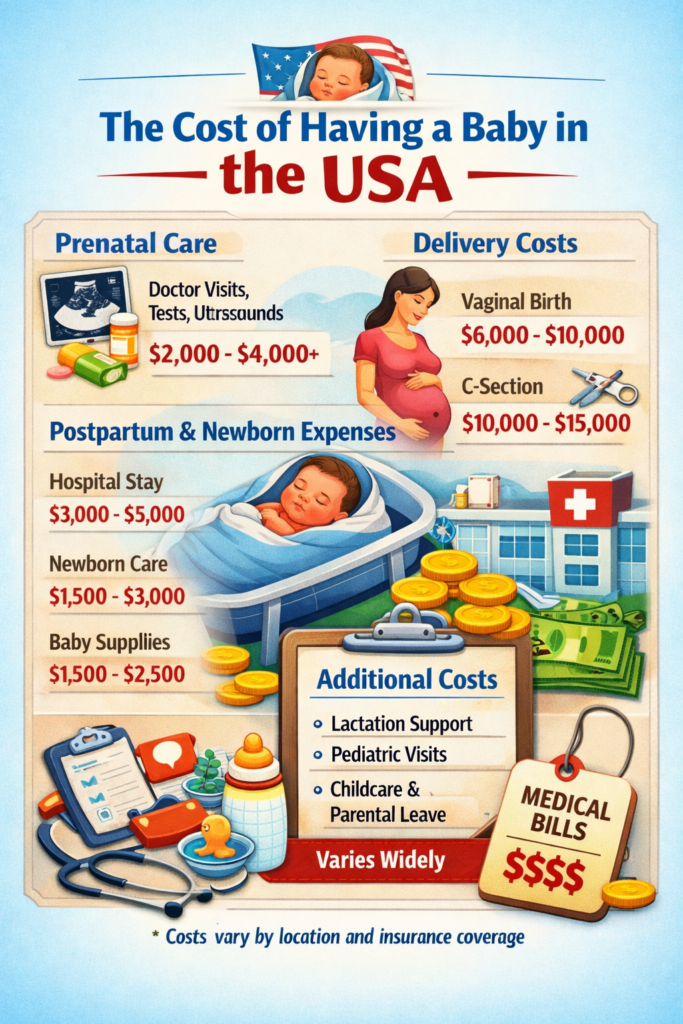
Breaking Down the Medical Costs of Pregnancy
The medical expenses associated with having a baby start long before you ever step foot in a delivery room. The nine months of pregnancy involve continuous monitoring, specialized testing, and regular physician consultations.
Prenatal Care Expenses
For a healthy, low-risk pregnancy, the standard schedule includes 10 to 15 visits to an obstetrician or midwife. Without insurance, each routine check-up can cost between $90 and $500. However, office visits are just the baseline.
Your doctor will order multiple rounds of bloodwork to check your blood type, iron levels, and screen for gestational diabetes. You will also have ultrasounds to monitor fetal development, which typically cost between $130 and $950 each out of pocket. Advanced genetic screenings, such as Noninvasive Prenatal Testing (NIPT), provide valuable information about chromosomal conditions but can add anywhere from $800 to $2,000 to your overall bill. When added together, the total cost of prenatal care alone can easily exceed $5,000 for uninsured patients.
The Cost of Labor and Delivery
The day your baby arrives triggers the most substantial medical expenses. The national average cost for a standard, uncomplicated vaginal delivery is roughly $14,768. If you require a Cesarean section (C-section), either planned or emergency, the price tag jumps significantly to an average of $26,280.
These massive figures are driven by the layered nature of hospital billing. When you give birth in a hospital, you are charged a “facility fee” for the use of the room and hospital equipment, and separate “professional fees” for the individuals providing care—including your OB/GYN, the anesthesiologist who administers your epidural, and the pediatric team that examines your newborn.
Geography also plays a massive role in childbirth expenses. A routine delivery in a high-cost-of-living state like California can easily exceed $20,000, whereas the identical procedure in a state like Mississippi or Arkansas might hover around $6,500.
Postpartum and Newborn Care
The medical bills do not stop the moment you are discharged. Your newborn will require their own pediatric check-ups within days of birth to monitor weight gain and jaundice levels. Additionally, if your baby is born prematurely or requires breathing support, they will be admitted to the Neonatal Intensive Care Unit (NICU). NICU care is incredibly advanced and incredibly expensive, averaging $3,000 to $8,000 per day.
The Role of Health Insurance in Childbirth
Because the retail price of medical care is staggeringly high, having robust health insurance is your primary financial safety net. Under the Affordable Care Act, maternity care and childbirth are considered essential health benefits, meaning that all qualified health plans must cover them.
Understanding Deductibles and Out-of-Pocket Maximums
To predict your actual hospital bill, you must understand your policy’s fine print. Your deductible is the amount you must pay entirely out of pocket before your insurance starts sharing the cost. Once the deductible is met, you pay coinsurance (a percentage of the remaining bill, often 20%) until you hit your out-of-pocket maximum.
For example, if you have an $8,500 deductible and a $9,200 out-of-pocket maximum, a $26,000 C-section will almost certainly force you to hit that out-of-pocket cap. On average, American families with large-group employer insurance pay around $2,854 out of pocket for their childbirth experience.
It is highly recommended to call your insurance provider during your first trimester to request a clear breakdown of your maternity coverage. Knowing your exact limits allows you to set aside the necessary funds in a Health Savings Account (HSA) well before your due date.
Comparing Delivery Options and Costs
Hospitals are not the only option for giving birth. Depending on your risk profile and personal preferences, alternative birthing locations can drastically alter your financial obligations.
| Delivery Method | Average Total Cost (Without Insurance) | Average Out-of-Pocket Cost (With Employer Insurance) | Primary Cost Drivers |
| Vaginal Birth (Hospital) | $14,000 – $15,700 | $2,500 – $2,800 | Standard delivery room, standard OB/GYN fees, 1-2 day hospital stay |
| Cesarean Section (C-Section) | $26,000 – $29,000 | $3,000 – $3,300 | Operating room fees, anesthesiologist, surgical team, 3-4 day hospital stay |
| Birth Center (Midwife-led) | $7,000 – $8,500 | Varies widely by network coverage | Outpatient facility fees, midwife care, limited medical interventions |
| Home Birth | $4,500 – $5,500 | Often entirely out-of-pocket | Midwife attendance, prenatal visits, home birthing supplies |
The Financial Reality of the First Year
Bringing your baby home shifts your financial focus from medical bills to daily living expenses. Recent studies show that raising a baby in their first year costs parents an average of $20,745. Preparing for these everyday expenditures is just as critical as saving for the hospital bill. As you research the best ways to care for your infant, joining a reliable resource hub like the Wobblebee community can help you connect with other parents navigating these exact same financial hurdles.
Setting Up the Nursery
Creating a safe sleeping environment is paramount. You will need a durable crib, a firm mattress, fitted sheets, and a changing station. Because infant safety standards are constantly evolving, it is generally recommended to buy your core sleep items brand new. You can find high-quality, safety-tested premium baby sleep essentials and nursery collections to ensure your baby rests securely without requiring you to replace flimsy furniture every few months.
On-the-Go Expenses: Strollers and Car Seats
You cannot leave the hospital without an approved infant car seat. Furthermore, a sturdy stroller is necessary for neighborhood walks and pediatric visits. These items range from budget-friendly models to luxury travel systems. Investing in top-rated infant travel gear and daily accessories that grows with your child can save you money over the next three years, preventing the need to buy multiple strollers for different developmental stages.
Daily Consumables: Diapers and Feeding
Babies go through 8 to 12 diapers a day in the early months. Expect to spend at least $75 to $100 per month on disposable diapers and wipes. Feeding costs also vary wildly. While breastfeeding is often touted as “free,” nursing mothers still need to purchase breast pumps, storage bags, nursing bras, and lactation support. If you choose to formula feed, or need to supplement, formula can easily cost between $100 and $250 a month depending on the brand and your baby’s specific dietary needs.
Childcare: The Largest Ongoing Expense
Unless a parent plans to stay home full-time, childcare is universally the most expensive aspect of raising an infant in the United States. Infant daycare requires strict caregiver-to-baby ratios, driving up tuition. The national average cost for infant daycare is currently $17,264 per year, though parents in major metropolitan areas often pay well over $25,000 annually. Hiring a private nanny or joining a nanny share will increase those figures even further.
Hidden Costs and Income Disruptions
When budgeting for a baby, many families overlook the indirect costs.
Income Loss During Parental Leave: The Family and Medical Leave Act (FMLA) guarantees 12 weeks of job protection, but it does not guarantee a paycheck. Unless you live in a state with mandatory paid family leave or work for a progressive employer, you may face up to three months without your standard income while simultaneously paying for a new baby.
Housing and Transportation Upgrades: Adding a child often necessitates more physical space. Families frequently find themselves upsizing their apartments or moving to a home with an extra bedroom. On average, rent increases by $1,680 per year when families move to accommodate a growing household. Additionally, you may find that your compact sedan can no longer comfortably fit a bulky rear-facing car seat and a double stroller, prompting an unexpected vehicle upgrade.
Strategies to Manage and Lower Your Baby Budget
While the numbers are intimidating, there are actionable ways to keep your expenses manageable.
Maximize Tax Advantages: Utilize your employer’s Dependent Care Flexible Spending Account (FSA) to pay for daycare with pre-tax dollars. Furthermore, ensure you claim the Child Tax Credit on your annual tax return.
Buy Secondhand: While car seats and cribs should be purchased new for safety reasons, clothing, toys, and books are perfect items to buy pre-loved. Babies outgrow clothing at an astonishing rate, meaning you can often find high-end brands in perfect condition at local consignment shops.
Audit Your Hospital Bills: When the medical bills arrive, do not immediately hand over your credit card. Request an itemized bill from the hospital billing department. Medical coding errors are incredibly common. Look for double charges or fees for medications you never received. If your bill is still unmanageable, most hospitals offer zero-interest payment plans or financial assistance programs.
Frequently Asked Questions
How much does giving birth cost without insurance?
Without insurance, the average cost of giving birth ranges from $14,000 to $15,700 for a vaginal delivery and $26,000 to $29,000 for a C-section. These costs cover standard hospital stays and physician fees but can skyrocket if complications arise or a NICU stay is required.
Does health insurance cover 100% of pregnancy costs?
No, health insurance rarely covers 100% of pregnancy costs. You will still be responsible for your plan’s deductible, copayments, and coinsurance until you reach your annual out-of-pocket maximum, which usually leaves parents paying around $2,800 out of pocket.
Is a home birth cheaper than a hospital birth?
Yes, a home birth is generally much cheaper upfront, averaging between $4,500 and $5,500 for a midwife’s care and supplies. However, many health insurance plans do not cover out-of-network home birth expenses, meaning you may have to pay the entire amount yourself.
How much should I save before having a baby?
Financial experts recommend saving enough to cover your insurance policy’s out-of-pocket maximum, plus three to six months of living expenses to cushion the blow of unpaid maternity or paternity leave. You should also budget an extra $1,500 to $2,000 for initial nursery setup and gear.
What is the most expensive part of having a baby?
Once the medical bills are paid, childcare becomes the single most expensive ongoing cost of raising a child. Infant daycare averages over $17,000 per year nationwide, and often exceeds the cost of in-state college tuition or rent in many states.