


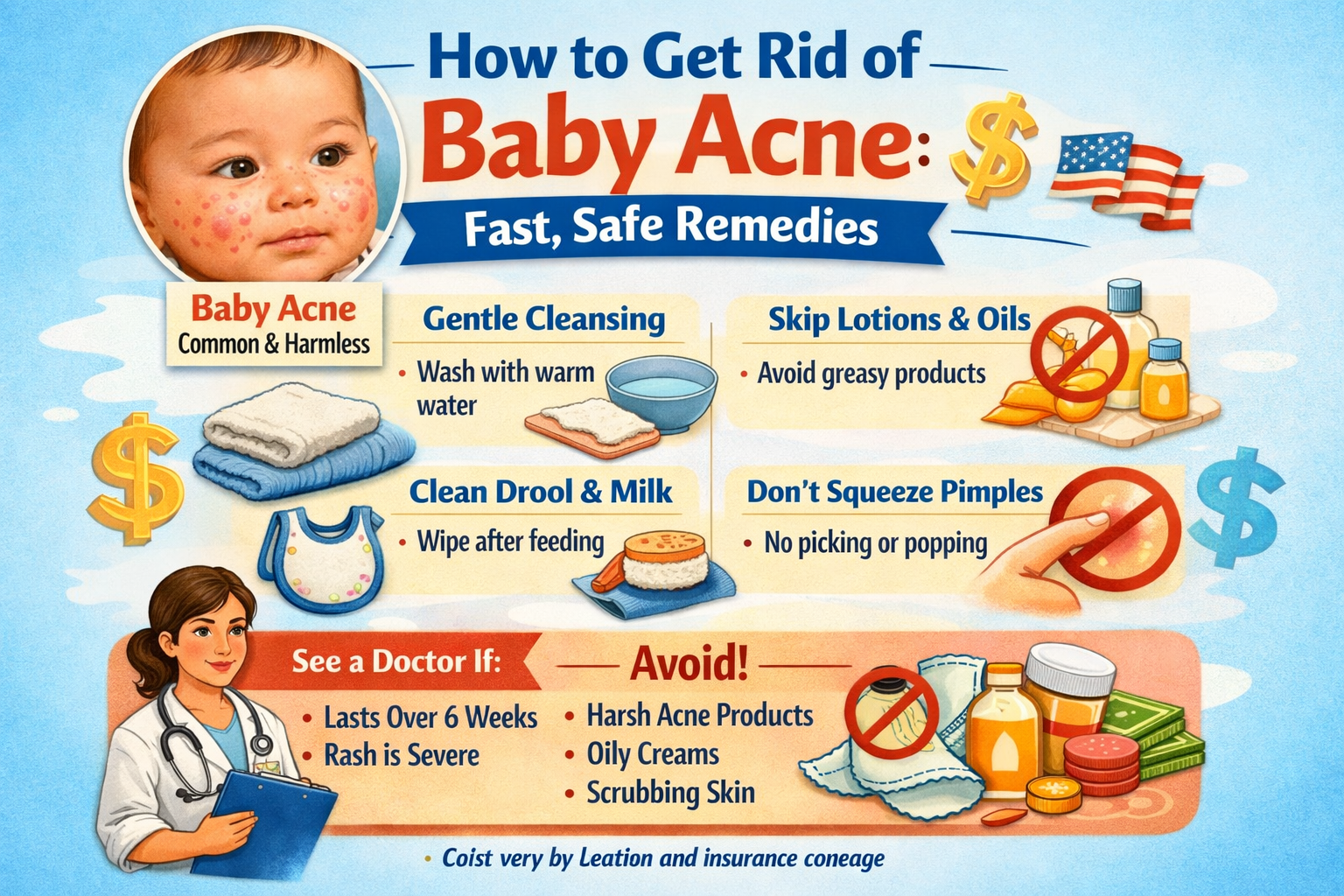
To get rid of baby acne, gently wash your infant’s face daily with warm water and a mild, fragrance-free baby cleanser. Pat the skin dry with a soft towel instead of rubbing. Never pop, squeeze, or scrub the bumps, and strictly avoid using adult acne treatments, harsh lotions, or oily products, which can inflame the skin. Baby acne typically clears up naturally on its own within a few weeks to months.
Bringing home a newborn is a magical experience, but it is also accompanied by a hyper-awareness of every tiny change in your baby’s body. When those perfectly smooth, angelic newborn cheeks suddenly erupt in a constellation of red bumps and whiteheads, it is entirely normal to feel a sudden wave of panic. You spend hours meticulously curating their nursery, washing their clothes in specialized detergent, and ensuring their environment is pristine. Yet, around the two-to-four-week mark, their skin might start looking more like a teenager going through puberty than a fresh newborn.
This condition, scientifically known as erythema toxicum neonatorum or simply neonatal acne, affects roughly 20% of all newborns. While it can look incredibly angry and uncomfortable, the most important thing to know is that baby acne is harmless, temporary, and completely normal.
Managing infant skincare requires a delicate touch and an understanding of what is actually happening beneath the surface of your baby’s skin.
Understanding the Root Causes of Baby Acne
To effectively treat any condition, you must first understand its origins. Unlike teenage or adult acne, which is often driven by diet, stress, or complex hormonal shifts over time, baby acne has a much more direct set of triggers rooted in the transition from the womb to the outside world.
The Role of Maternal Hormones
During the final stages of pregnancy, a mother passes an enormous surge of hormones to her baby through the placenta. These hormones are essential; they help mature the baby’s lungs and prepare their tiny organs for life outside the womb. However, these lingering maternal hormones remain in the baby’s bloodstream for weeks after birth.
Just as hormonal fluctuations can cause breakouts in adults, these residual hormones stimulate your baby’s sluggish oil glands (sebaceous glands). Because a newborn’s pores are still underdeveloped and microscopic, this excess oil easily becomes trapped, leading to the small red and white bumps characteristic of baby acne.
Yeast and Skin Flora Adjustments
Recent dermatological studies suggest that a common type of yeast called Malassezia may also play a role in baby acne. This yeast naturally lives on the skin of both adults and children. When a baby is born, their skin is essentially a blank canvas, and it takes time for their skin’s microbiome—the balance of healthy bacteria and yeast—to establish itself. An overgrowth of Malassezia in the early weeks can trigger an inflammatory response that presents as acne-like pustules, particularly on the cheeks, nose, and forehead.
Environmental Aggressors
While dirt does not cause baby acne, environmental factors can certainly exacerbate it. Spit-up milk, drool, and sweat can irritate the already sensitive skin. Furthermore, rough fabrics or laundry detergents containing heavy fragrances and dyes can cause friction and chemical irritation, making the redness appear much more pronounced.
Identifying the Breakout: Baby Acne vs. Other Skin Conditions
Because newborn skin is so reactive, parents frequently confuse baby acne with other common infant dermatological conditions. Treating eczema like acne, or treating milia like an infection, will only prolong the issue. Understanding the visual distinctions is critical for applying the correct care routine.
| Condition | Visual Appearance | Typical Location | Onset Timeline | Treatment Approach |
| Baby Acne | Red bumps, sometimes with small white pustules at the center. Looks like a tiny teenage breakout. | Cheeks, nose, forehead, occasionally the upper back or neck. | 2 to 4 weeks after birth. | Gentle washing with warm water; usually resolves on its own. |
| Milia | Tiny, hard, pearly white bumps. No surrounding redness or inflammation. | Nose, chin, and cheeks. | Present at birth or within the first few days. | Do nothing. They are trapped dead skin cells that flake away naturally. |
| Eczema | Dry, red, scaly, crusty, and highly itchy patches. | Cheeks, scalp, creases of the elbows and knees. | 1 to 5 months of age. | Fragrance-free thick moisturizers, identifying allergy triggers, avoiding hot water. |
| Heat Rash | Clusters of tiny pink or red bumps, often looking like small blisters. | Neck creases, armpits, groin, upper chest (areas that sweat). | Anytime the baby overheats. | Cooling the baby down, dressing in light layers, keeping folds dry. |
Actionable Steps: How to Treat Baby Acne Safely
While the core medical advice is “wait it out,” doing nothing when your baby’s face is covered in bumps goes against every parental instinct. Fortunately, there are several safe, proactive steps you can incorporate into your daily routine to speed up the healing process and soothe their skin.
Establish a Gentle Cleansing Routine
The cornerstone of treating neonatal breakouts is keeping the area clean without stripping the skin of its natural moisture barrier. Wash your baby’s face once a day—preferably during their regular bath time—using lukewarm water. Water that is too hot will strip the skin of its protective oils, leading to dryness and triggering the sebaceous glands to produce even more oil.
When updating your nursery with gentle skincare and baby bath essentials, always opt for cleansers specifically formulated for newborns. Look for labels that state “fragrance-free,” “hypoallergenic,” and “tear-free.” Avoid traditional bar soaps, which are highly alkaline and will disrupt the delicate pH balance of an infant’s skin.
The Art of Drying
How you dry your baby’s face is just as important as how you wash it. Never rub or drag a towel across their cheeks. Friction aggravates the inflamed pores and can rupture the delicate pustules, opening the door for bacteria and potential scarring. Instead, use a remarkably soft, clean cotton washcloth or towel to gently pat the skin dry.
The Breast Milk Remedy
For generations, nursing mothers have utilized breast milk as a topical remedy for a myriad of infant ailments, including baby acne. Breast milk contains lauric acid, a fatty acid renowned for its antimicrobial and antibacterial properties. It also contains powerful antibodies that help soothe inflammation.
If you choose to try this method, simply express a few drops of breast milk onto a clean finger or a cotton ball and gently dab it over the affected areas of the baby’s face. Allow it to air dry. While this is primarily an anecdotal remedy and not a medical prescription, it is entirely safe and many parents swear by its effectiveness in reducing redness and shrinking pimples.
Manage Drool and Spit-Up Immediately
Moisture is the enemy of healing skin. When a baby spits up or drools excessively, those fluids pool in the creases of their neck and on their cheeks. The digestive enzymes in spit-up are highly irritating to the epidermis. Keep a stash of soft burp cloths readily available and gently dab away moisture the moment it happens.
Evaluate Clothing and Detergents
The fabrics that touch your baby’s skin matter immensely. Rough, synthetic materials trap heat and sweat against the skin, creating a perfect breeding ground for irritation. Make sure to dress your infant in soft, breathable newborn clothing collections crafted from 100% organic cotton or bamboo. These materials allow the skin to breathe and wick away moisture naturally.
Additionally, wash all of your baby’s clothing, bedding, and even your own shirts (since your baby’s face rests against your chest) in a gentle, hypoallergenic laundry detergent free of dyes and artificial perfumes.
Connecting with other parents can also provide invaluable peace of mind during this phase. Sharing photos and stories within a supportive network like Wobblebee often reveals just how universal these early skin woes truly are.
What to Strictly Avoid (The Danger Zone)
When desperate to clear up a newborn’s complexion, well-meaning parents often make critical errors that turn a harmless condition into a painful one. You must resist the urge to treat your baby’s skin the way you would treat your own.
1. Never Use Adult Acne Products: Ingredients like benzoyl peroxide, salicylic acid, retinoids, and astringents are highly toxic to infant skin. They will cause severe chemical burns, extreme peeling, and blistering. Even over-the-counter washes formulated for teenagers are far too harsh.
2. Stop Popping and Squeezing:
It is incredibly tempting to pop a whitehead on your baby’s nose. Do not do it. Squeezing infant acne breaks the skin barrier, introducing the bacteria from your fingers directly into their pores. This can lead to a severe staph infection and permanent pitting or scarring.
3. Avoid Heavy Lotions and Oils:
While slathering lotion on dry skin makes sense, applying heavy creams, petroleum jelly, or thick baby oils to acne will only exacerbate the problem. These thick substances clog the already struggling pores, trapping the oil and yeast beneath the surface and causing the breakout to spread.
4. Limit Scrubbing:
Using textured sponges, loofahs, or exfoliating mitts will micro-tear the skin. A newborn’s epidermis is roughly 30% thinner than an adult’s. A soft cotton washcloth or your bare hands are the only tools you need.
The Timeline: When Will It Go Away?
Patience is required when dealing with baby acne. In most cases, the redness will peak around the three-to-four-week mark and slowly begin to fade. You can expect the skin to clear up completely within a few weeks to a few months. It is perfectly normal for the acne to fluctuate—looking worse when the baby is crying, hot, or fussy due to increased blood flow to the face, and looking much better when they are sleeping and relaxed.
If your baby is approaching six months of age and is suddenly developing acne for the first time, this is no longer considered neonatal acne. This later onset is known as infantile acne. Infantile acne is less common, often features larger, more persistent cysts, and may require a prescription treatment from a pediatric dermatologist to prevent scarring.
When to Call the Pediatrician
While standard baby acne is a waiting game, you should never hesitate to consult your pediatrician if you feel uneasy. Medical intervention is necessary if you notice any of the following warning signs:
- Signs of Infection: If the bumps begin to ooze a yellowish crust, if the surrounding skin is hot to the touch, or if the red streaks are spreading away from the bumps.
- Presence of a Fever: A fever in a newborn under three months of age is always a medical emergency. If the skin breakout is accompanied by a temperature of 100.4°F (38°C) or higher, seek immediate medical attention.
- Behavioral Changes: Baby acne does not hurt or itch. If your baby is frantically rubbing their face against the mattress, is unusually lethargic, or refuses to feed, the rash might be a symptom of a broader allergic reaction or viral illness.
- Blistering: True acne presents as pimples. If you see fluid-filled blisters that look like tiny water balloons, this could indicate a herpes simplex infection or another viral condition requiring urgent antiviral medication.
Frequently Asked Questions
How long does baby acne last?
Baby acne typically appears between two to four weeks of age and usually clears up entirely on its own within a few weeks to a few months. As the lingering maternal hormones leave the baby’s system and their oil glands mature, their skin will naturally smooth out.
Can formula or breast milk cause baby acne?
No, formula and breast milk do not directly cause baby acne. The condition is driven by hormonal fluctuations and immature sebaceous glands, not by the baby’s diet or maternal food intake transferred through breast milk.
Does breast milk actually help clear baby acne?
Many parents find success using breast milk as a topical treatment due to its natural antibacterial properties and lauric acid content. While it is not a medically proven cure, gently dabbing a few drops on the affected area is completely safe and may help reduce localized inflammation.
Is baby acne itchy or painful for the infant?
Unlike eczema or severe diaper rash, standard baby acne is completely painless and does not itch. If your baby seems extremely uncomfortable, fussy, or is trying to scratch their face, they likely have a different skin condition that requires a doctor’s evaluation.
Will my baby have acne as a teenager if they have it now?
There is no definitive link between neonatal acne and adolescent acne. Having baby acne in the first few weeks of life does not mean your child is predisposed to severe breakouts during puberty.