


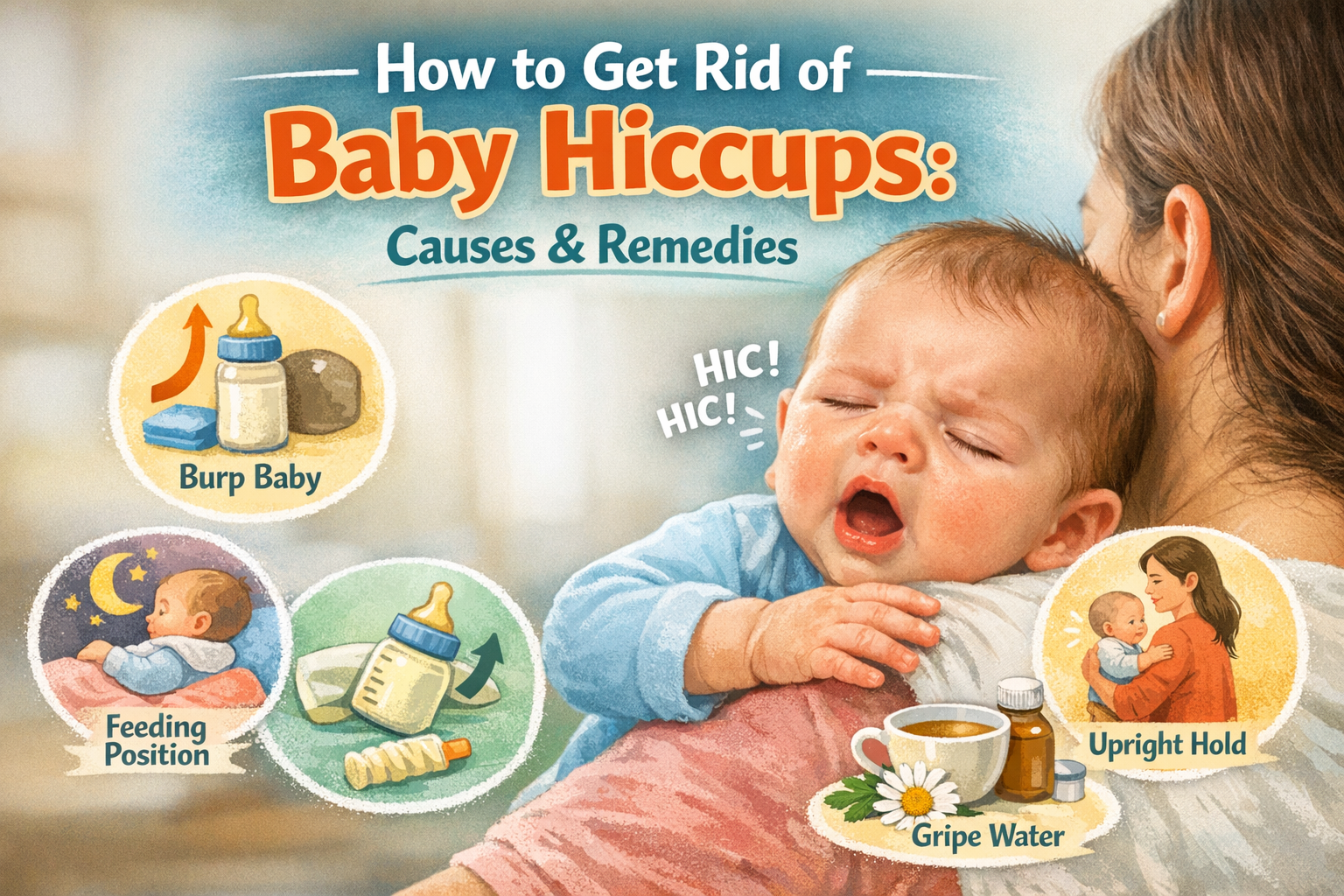
The Surprising Truth About Newborn Hiccups
There is a specific kind of panic that sets in for first-time parents when their tiny, fragile newborn starts visibly vibrating from a bout of hiccups. You might find yourself frantically searching the internet at 2:00 AM, wondering if your little one is in pain, if they are choking, or if you did something wrong during the last feeding.
Take a deep breath. Those rhythmic little spasms are entirely normal. In fact, if you pay close attention, you might remember feeling those exact same rhythmic taps while your baby was still in the womb.
While they are rarely a cause for medical concern, they can definitely disrupt a peaceful feeding or keep an exhausted baby awake. Understanding the root causes of these spasms is the first step to helping your little one find relief. Let’s break down exactly why your baby is hiccuping, the most effective ways to soothe them, and how to prevent them from happening so frequently in the future.
Why Do Babies Get Hiccups? The Root Causes
To put an end to the hiccups, we first need to understand the mechanics of what is happening inside your baby’s tiny body. A hiccup is simply a sudden, involuntary spasm of the diaphragm—the large muscle that rests right at the base of the lungs and controls breathing. When this muscle spasms, the vocal cords snap shut, creating that classic “hic!” sound.
But what triggers this spasm in infants?
1. Immature Digestive and Respiratory Systems
Newborns are essentially still developing outside the womb. Their diaphragms are easily irritated by sudden changes. A slight shift in stomach temperature, a full belly pressing against the muscle, or even an abrupt change in their breathing pattern can trigger a chain reaction of spasms.
2. Swallowing Excess Air (Aerophagia)
This is the most common culprit. When babies feed—whether from the breast or a bottle—they often gulp down air along with their milk. This air becomes trapped in the stomach, causing it to expand. As the stomach inflates like a tiny balloon, it pushes upward against the diaphragm, triggering the spasms. If you notice hiccups frequently occurring right after a feeding, trapped air is almost certainly the villain.
3. Gastroesophageal Reflux (GER)
It is incredibly common for infants to experience mild acid reflux. The muscular valve between their esophagus and stomach isn’t fully developed yet, meaning milk and stomach acid can easily splash back up. When this acidic mixture touches the delicate lining of the esophagus, it can irritate the nerve pathways that run directly to the diaphragm.
4. Overfeeding or Eating Too Quickly
A voracious appetite can backfire. If a baby chugs their milk too fast, the stomach distends rapidly. This sudden stretch is a massive trigger for the diaphragm.
Are Baby Hiccups Painful?
It is easy to project our own discomfort onto our children. For an adult, a prolonged case of the hiccups can be frustrating and even physically sore. But here is a comforting reality: babies generally do not care about their hiccups.
If you watch a hiccuping infant, you will often see them happily staring at a ceiling fan, smiling, or even sleeping right through the spasms. Medical professionals widely agree that standard hiccups cause zero distress to a newborn. They are a natural physiological reflex. However, if the hiccups are interfering with their ability to latch, sleep, or if they are accompanied by crying and arching of the back, it is time to intervene.
Proven Remedies: How to Stop Baby Hiccups
When you are ready to help your little one settle down, there are several gentle, effective techniques you can deploy.
1. Mid-Feed Burping Breaks
Do not wait until the bottle is empty or the breast is drained to burp your baby. If you are dealing with a frequent hiccuper, implement mandatory burping intermissions. If you are bottle-feeding, pause every two to three ounces to gently pat their back. If you are nursing, take a moment to burp them before switching breasts. Getting the air out before it can build up and press against the diaphragm is a highly effective remedy.
2. Adjust Your Feeding Angle
Gravity is your best friend when combating infant digestion issues. If you lay your baby completely flat while feeding, milk and air mix chaotically in the stomach. Instead, feed your baby in an upright or semi-upright position (at least a 30 to 45-degree angle). Keep them elevated for a good 15 to 20 minutes after the feeding is over. If you are looking for tools that naturally support better feeding postures, you can browse a curated selection of premium baby essentials designed specifically for newborn comfort and digestion.
3. Introduce a Pacifier
The simple act of sucking can sometimes be enough to relax a spasming diaphragm. Non-nutritive sucking (sucking on something that doesn’t yield milk) helps regulate a baby’s breathing and swallowing coordination. The rhythmic motion can trigger the vagus nerve, which runs from the brain to the stomach, telling the diaphragm to relax. Keeping a few high-quality, ergonomic pacifiers from our line of soothing newborn products on hand can be a lifesaver during a sudden hiccup bout.
4. Try Gripe Water (With Pediatrician Approval)
Gripe water is a traditional herbal supplement, usually containing a blend of fennel, ginger, chamomile, or sodium bicarbonate. While clinical evidence on its efficacy is mixed, many parents swear by it for easing stomach discomfort and relaxing the diaphragm. Always check the ingredients to ensure there is no alcohol or excessive sugar, and consult your pediatrician before introducing any supplement to a newborn.
Prevention vs. Treatment: What Works Best?
Sometimes, the best remedy is stopping the hiccups before they start. Here is a breakdown of how preventative measures compare to in-the-moment treatments.
| Strategy | Timing | Best Used For | Effectiveness | Level of Parent Effort |
| Paced Bottle Feeding | Preventative | Babies who gulp milk too quickly and swallow air. | Very High | Medium (Requires active slowing of the feed) |
| Upright Post-Feed Sitting | Preventative | Babies prone to acid reflux and stomach distention. | High | High (Requires holding baby upright for 20 mins) |
| Pacifier Sucking | Treatment | Stopping active hiccups by relaxing the vagus nerve. | Moderate | Low (Simply offer the pacifier) |
| Mid-Feed Burping | Preventative & Treatment | Releasing trapped air before it triggers a diaphragm spasm. | Very High | Low to Medium |
| Gripe Water | Treatment | Soothing an already upset stomach/diaphragm. | Varies by Baby | Low |
When to See a Pediatrician
For the vast majority of infants, hiccups are a temporary phase that peaks around the second month and naturally fades as their digestive system matures by six months of age.
However, you know your baby best. If the hiccups seem to cause genuine pain, or if they are frequently accompanied by forceful spitting up, chronic coughing, intense crying, or back-arching, it is time to consult your doctor. These can be signs of more severe Gastroesophageal Reflux Disease (GERD) or a milk protein allergy, both of which require professional medical guidance.
As you navigate these early months of parenthood, remember that you are doing a great job. Whether you are troubleshooting digestion issues or setting up your nursery, we invite you to explore the Wobblebee community for more expert guides, support, and thoughtfully designed products for your growing family.
Frequently Asked Questions
How long do baby hiccups usually last?
A typical bout of newborn hiccups can last anywhere from a few minutes to half an hour. They will usually resolve on their own without any intervention.
Should I stop feeding my baby if they have hiccups?
If your baby is calm and happily feeding through the hiccups, you do not necessarily need to stop. However, if they seem frustrated, unlatch repeatedly, or swallow a lot of air, it is best to take a break, burp them, and wait for the spasms to pass before resuming.
Can I put my hiccuping baby to sleep?
Yes. Since hiccups are not dangerous and rarely bother the baby, it is perfectly safe to lay them down to sleep while they are hiccuping, provided you are placing them flat on their back in a safe sleep environment. They will often drift off, and the hiccups will stop naturally as their breathing deepens.
Are there old wives’ tales I should avoid?
Absolutely. Never try to “scare” a baby to stop their hiccups, and never give a newborn water to drink. Scaring them will only cause distress, and plain water can be dangerous for babies under six months old, as it can interfere with their electrolyte balance and nutrient absorption.
Why does my baby get hiccups in the womb?
Fetal hiccups are very common in the second and third trimesters. They occur as the fetus practices breathing, swallowing amniotic fluid, and exercising their developing diaphragm muscle. It is an excellent sign of a healthy, maturing central nervous system.